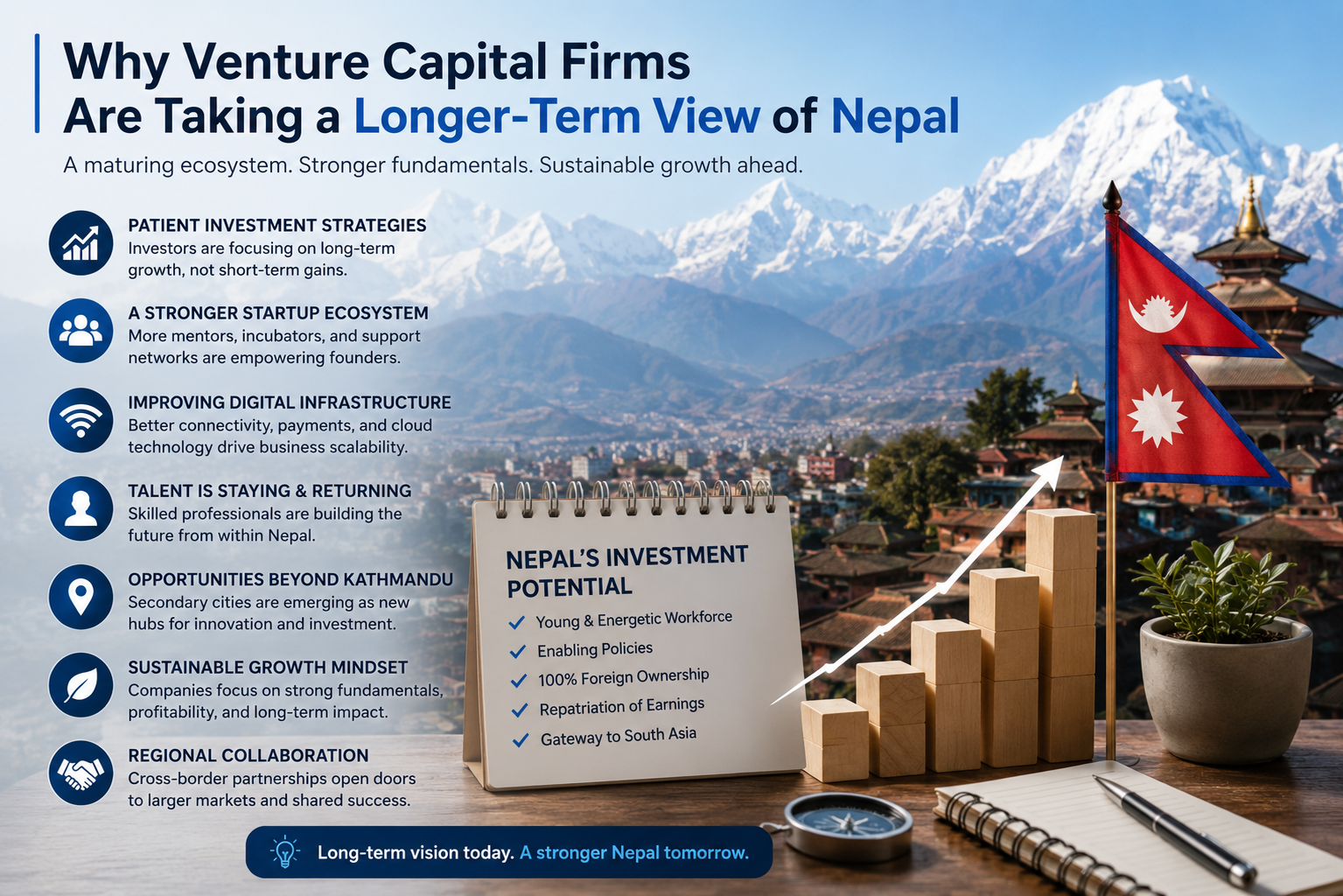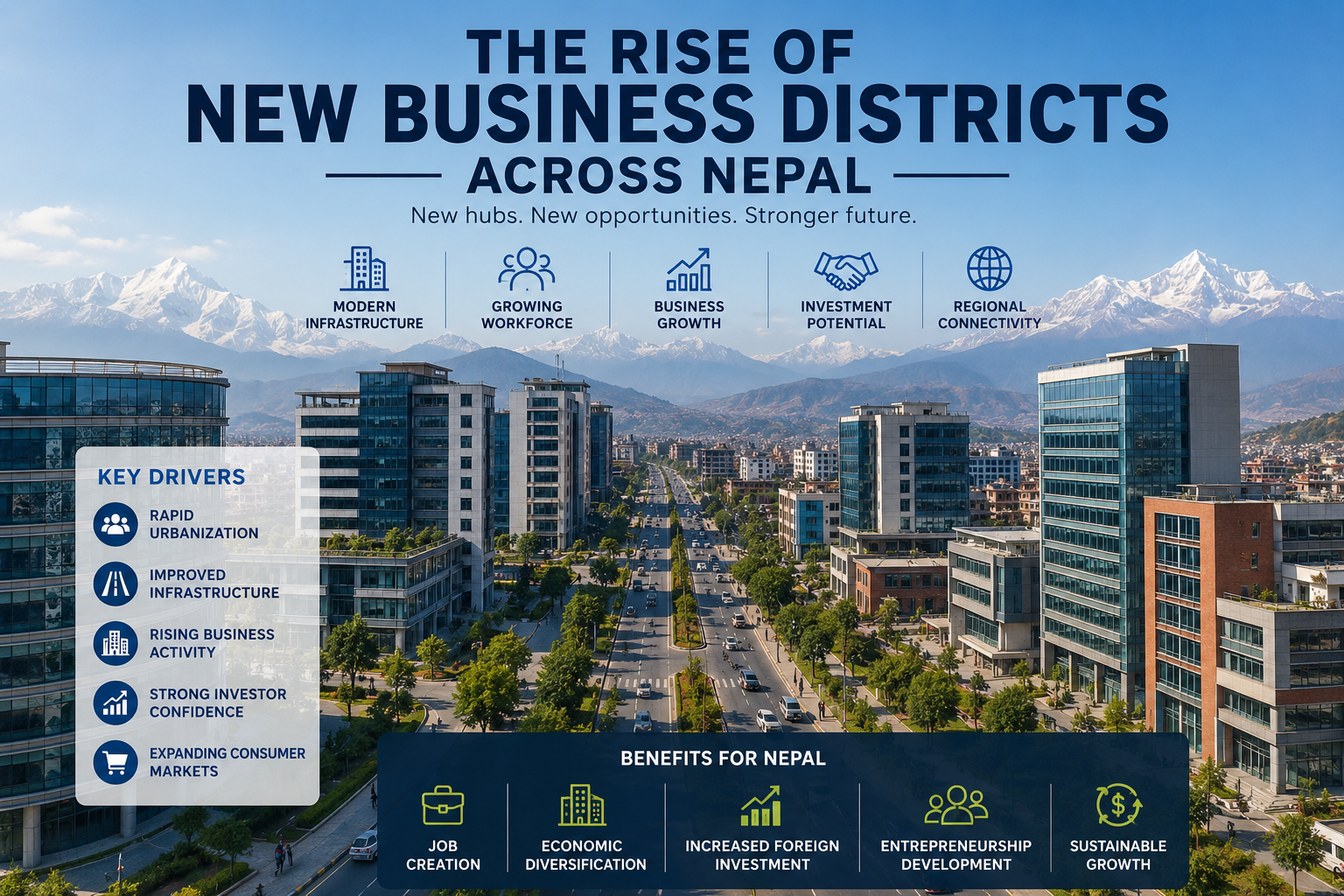


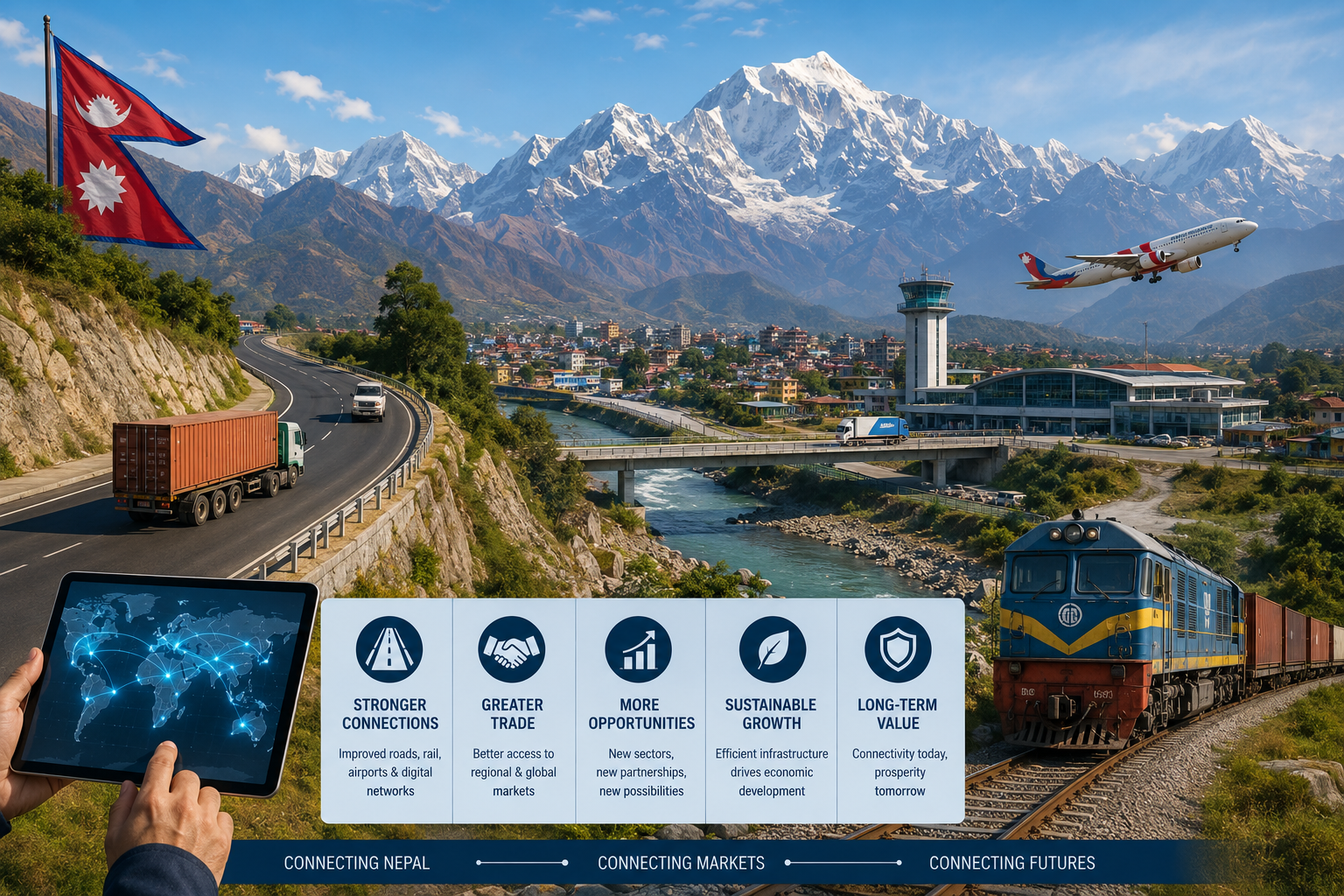
Nepal’s investment landscape is evolving rapidly. While sectors such as tourism, hydropower, and technology continue attracting attention, a less discussed but increasingly important factor is helping shape the country’s future: regional connectivity.
Improved transportation infrastructure, stronger trade relationships, expanding digital networks, and growing economic cooperation across South Asia are creating new opportunities for businesses and investors. As connectivity improves, Nepal is becoming more integrated into regional markets, making it easier for companies to access customers, suppliers, and growth opportunities beyond its borders.
For long-term investors, these developments may become one of Nepal’s most significant competitive advantages over the coming decade.
Why Connectivity Matters for Investment
Investment decisions are heavily influenced by access. Businesses want efficient transportation systems, reliable communication networks, access to talent, and the ability to move products quickly. Strong connectivity helps reduce operating costs while increasing growth potential.
Key Benefits for Investors
- Faster access to regional markets
- Lower transportation and logistics expenses
- Improved supply chain efficiency
- Better access to skilled labor
- Stronger tourism flows
- Increased export opportunities
- Enhanced digital business operations
As these advantages expand, Nepal becomes more attractive to both domestic and foreign investors.
Nepal’s Strategic Position in South Asia
Nepal occupies a unique location between India and China, two of the world’s largest economies. This geographic position creates opportunities that extend beyond the country’s domestic market.
Rather than viewing Nepal solely as an individual economy, many investors now consider its role within broader regional trade and transportation networks.
Strategic Advantages
| Factor | Investment Impact |
|---|---|
| Location Between Major Economies | Access to large regional markets |
| Growing Trade Networks | Increased business opportunities |
| Expanding Transport Corridors | Reduced logistics barriers |
| Tourism Connectivity | More visitor spending |
| Regional Economic Integration | Stronger cross-border commerce |
These advantages become increasingly valuable as regional cooperation continues to develop.
Infrastructure Projects Are Improving Accessibility
Infrastructure remains one of the most important drivers of economic growth. Over the past several years, Nepal has invested in improving roads, airports, energy networks, and transportation systems. While development takes time, these improvements are gradually strengthening the country’s economic foundation.
Businesses benefit when employees, customers, and goods can move more efficiently throughout the country.
Areas Seeing Continued Development
- Highway upgrades
- Border transportation facilities
- Airport modernization
- Energy transmission networks
- Logistics infrastructure
- Digital communication systems
These projects support both existing industries and future investment opportunities.
Trade Expansion Is Creating New Opportunities
Connectivity is not only about transportation. It also influences trade. As trade routes become more efficient, businesses gain greater access to suppliers and customers. Companies operating in manufacturing, agriculture, processing industries, and consumer goods can often scale more effectively when transportation costs decrease.
For export-oriented businesses, stronger regional connections create opportunities that may not have existed previously.
Sectors Positioned to Benefit
- Agriculture and food processing
- Manufacturing
- Tourism services
- Logistics providers
- Technology companies
- Renewable energy projects
Each sector stands to benefit from improved movement of goods, people, and information.
Digital Connectivity Is Becoming Equally Important
Physical infrastructure is only one part of the equation. Modern businesses depend on reliable digital networks. Improved internet access, cloud technology adoption, digital payments, and fintech innovation are helping Nepal participate more actively in the digital economy.
Technology-focused companies increasingly prioritize locations where digital infrastructure supports efficient operations.
Digital Trends Supporting Investment
| Digital Development | Potential Benefit |
|---|---|
| Faster Internet Access | Improved productivity |
| Cloud-Based Services | Lower operational costs |
| Digital Payments | Easier transactions |
| Fintech Growth | Greater financial inclusion |
| E-Commerce Expansion | Access to broader markets |
Digital connectivity is becoming just as important as physical connectivity for many investors.
Tourism Growth Benefits From Better Connectivity
Tourism remains one of Nepal’s most recognized industries. Improved transportation networks make destinations more accessible while expanding opportunities for hospitality businesses, travel operators, and supporting services.
As international and regional travel continue recovering and expanding, connectivity improvements can help distribute tourism activity across a wider range of destinations. This creates investment opportunities not only in major cities but also in emerging tourism regions.
What Investors Should Watch Next
Investors evaluating Nepal’s long-term potential should monitor several important developments:
- New transportation corridor projects
- Regional trade agreements
- Airport expansion initiatives
- Digital infrastructure investments
- Logistics modernization efforts
- Cross-border commerce growth
These factors will likely play an important role in shaping Nepal’s future competitiveness.
Conclusion
Nepal’s investment appeal is increasingly being supported by improvements in regional connectivity. Better transportation systems, expanding trade relationships, stronger digital infrastructure, and deeper regional integration are helping create a more attractive environment for business growth.
While traditional sectors such as tourism and energy remain important, connectivity is emerging as a powerful force that influences nearly every part of the economy. For investors focused on long-term opportunities, Nepal’s growing integration into regional networks may become one of its most valuable advantages in the years ahead.