For many years, discussions about investment in Nepal focused primarily on Kathmandu. As the country’s political, financial, and commercial center, the capital naturally attracted most business attention. However, a gradual shift is taking place.
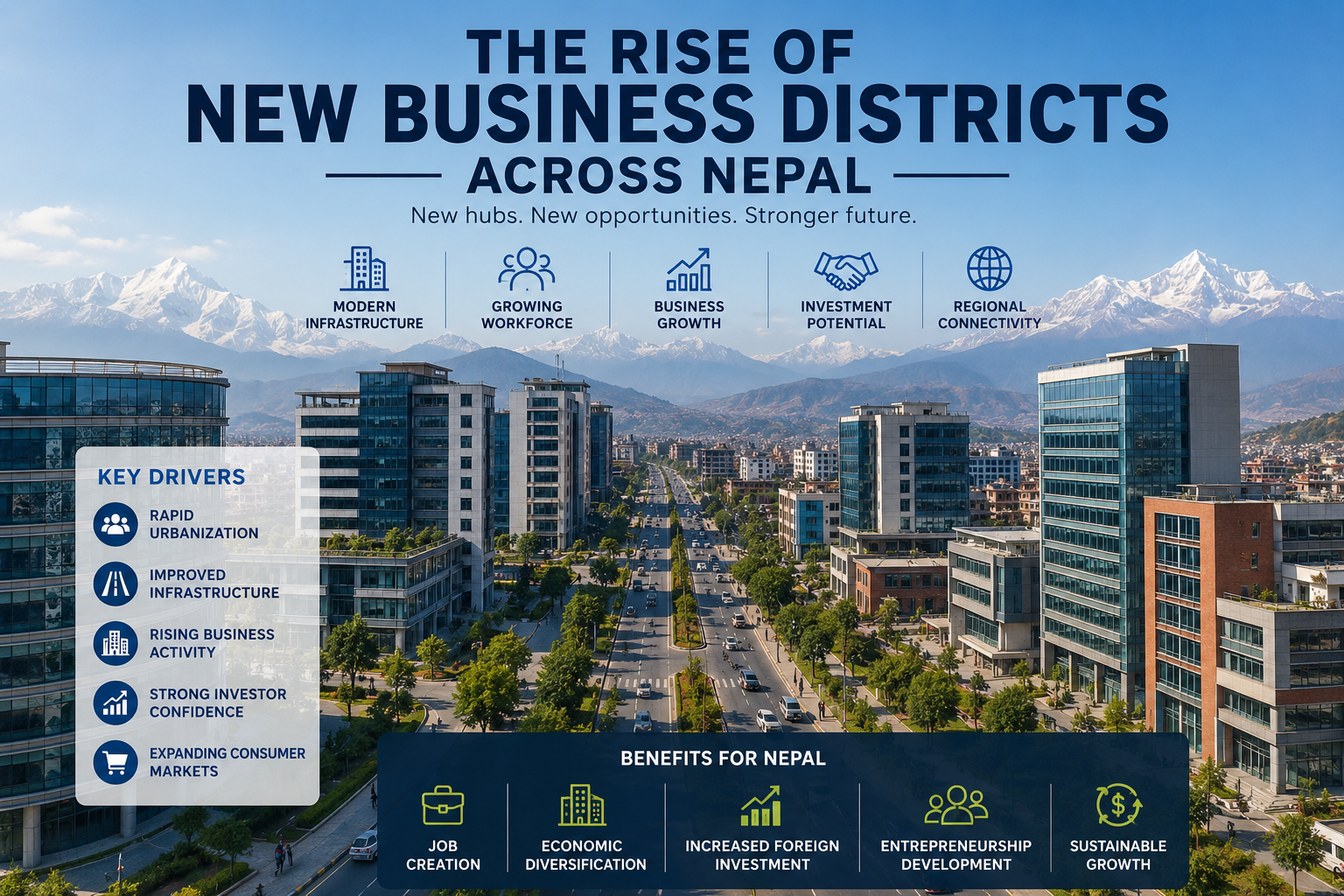
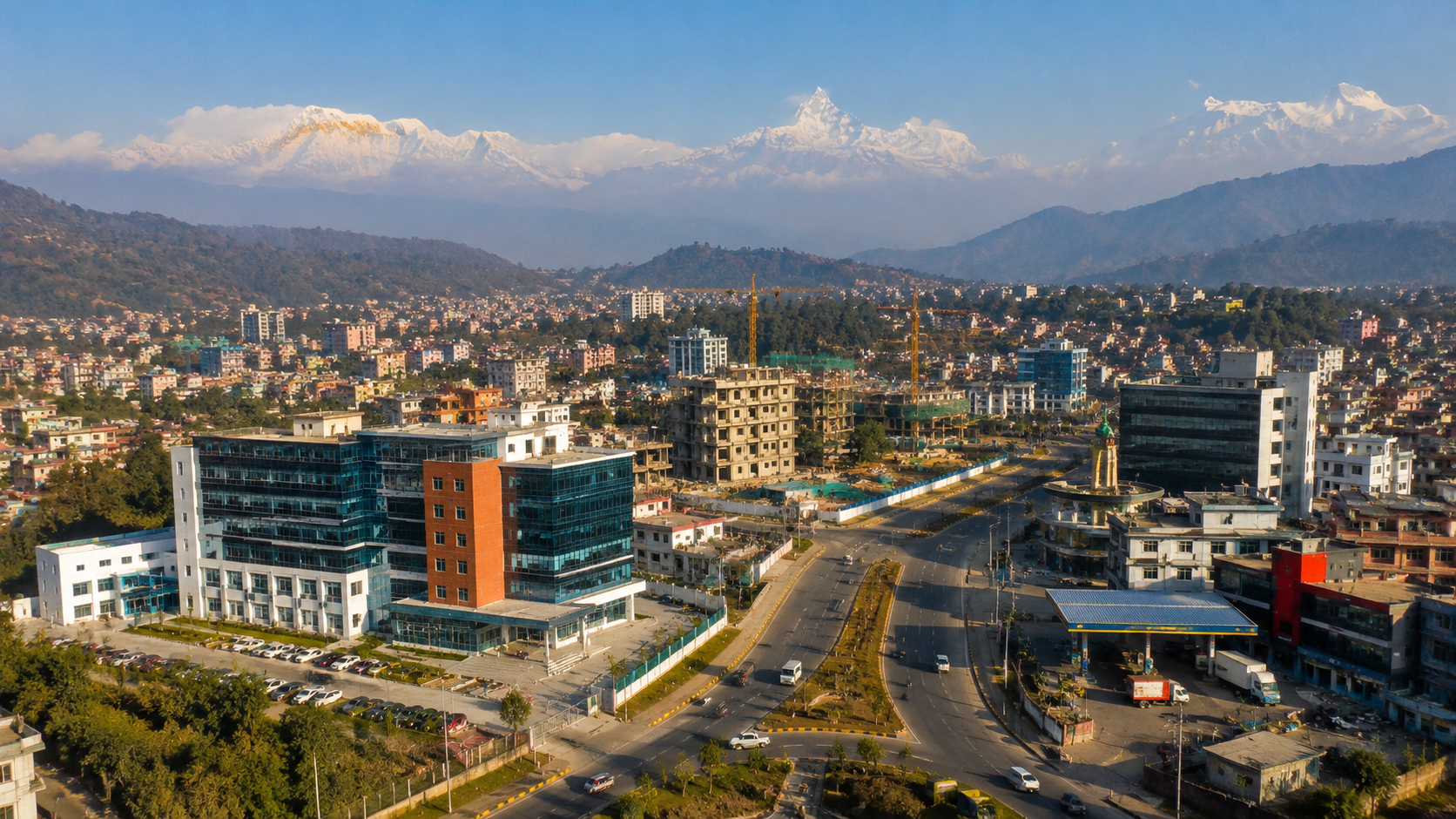
Investors are increasingly exploring opportunities beyond Kathmandu and looking toward Nepal’s secondary cities. Improvements in infrastructure, rising consumer demand, urban expansion, and local economic development are helping create new business opportunities in regions that previously received less attention.
This trend is beginning to reshape how both domestic and international investors evaluate Nepal’s long-term growth potential.
Why Investment Is Expanding Beyond Kathmandu
As cities develop, economic activity tends to spread outward. Several factors are contributing to this process in Nepal:
- Population growth
- Urbanization
- Improved transportation links
- Expanding retail markets
- Increased digital connectivity
Businesses no longer need to focus exclusively on the capital to reach customers and build operations. This diversification is creating a broader investment landscape.
The Rise of Regional Urban Centers
A number of secondary cities are experiencing increasing economic activity. These urban centers are attracting:
- Retail development
- Logistics businesses
- Hospitality projects
- Healthcare services
- Educational institutions
As local populations grow and incomes rise, demand for services continues to expand. Investors often view these markets as less saturated than Kathmandu while still offering significant growth potential.
Urbanization Is Creating New Demand
Nepal’s urban population continues to increase. Urban growth typically generates demand across multiple sectors:
| Sector | Growth Drivers |
|---|---|
| Retail | Growing consumer spending |
| Housing | Population expansion |
| Healthcare | Rising service demand |
| Education | Larger student populations |
| Transportation | Increased mobility needs |
These changes create opportunities for both large-scale and smaller investments.
Infrastructure Development Supports Growth
Infrastructure improvements play a major role in making secondary cities more attractive. Investments in:
- Roads
- Utilities
- Telecommunications
- Public services
- Logistics networks
help businesses operate more efficiently. As connectivity improves, regional markets become increasingly accessible to investors and entrepreneurs.
Local Consumer Markets Are Becoming More Important
Consumer demand is no longer concentrated solely in major metropolitan areas. Many regional cities are seeing growth in:
- Household spending
- Retail activity
- Digital commerce
- Service consumption
- Financial services usage
For businesses targeting long-term market expansion, these consumers represent an increasingly valuable opportunity.
Lower Operating Costs Can Be Attractive
One factor that appeals to investors is cost efficiency. Compared with larger urban centers, secondary cities may offer advantages such as:
- Lower commercial rents
- Reduced operational expenses
- Easier access to land
- Less congestion
- Greater room for expansion
These conditions can improve business scalability over time.
Technology Is Reducing Geographic Barriers
Digital transformation has changed how businesses operate. Today many companies can:
- Serve customers remotely
- Manage distributed teams
- Process digital payments
- Use cloud-based systems
- Reach broader audiences online
As a result, location is becoming less restrictive than it once was. This trend supports economic growth outside traditional business hubs.
Why Investors Are Watching Long-Term Trends
The appeal of secondary cities often lies in future potential rather than immediate scale. Investors frequently look for markets that show:
- Population growth.
- Infrastructure improvements.
- Expanding consumer demand.
- Business formation activity.
- Urban development momentum.
Many regional centers in Nepal are beginning to demonstrate these characteristics.
Challenges Still Remain
Despite positive developments, challenges remain.
These may include:
- Infrastructure gaps
- Financing limitations
- Regulatory complexities
- Skills shortages in certain sectors
- Uneven development between regions
Investors must carefully evaluate local conditions before committing capital. However, many view these challenges as part of an emerging growth story rather than permanent barriers.
Looking Ahead
As Nepal continues to urbanize and diversify its economy, secondary cities are likely to play a larger role in national development. Investment opportunities may increasingly emerge from regional markets that combine growing populations, improving infrastructure, and rising consumer demand.
For investors seeking long-term exposure to Nepal’s evolving economy, looking beyond Kathmandu could become an increasingly important strategy.
Final Thoughts
Nepal’s investment landscape is gradually broadening. While Kathmandu remains central to economic activity, secondary cities are becoming more relevant as engines of growth and business development.
As urbanization, infrastructure investment, and consumer demand continue expanding across the country, these regional centers may offer some of the most interesting opportunities in Nepal’s next phase of economic development.